
Wimehr and the Digital Cooperative Ecosystem in Iran
Cooperative development has long been linked to social equity and a people-centered economy in Iran. This article discusses the gap between policy targets and current activity, and a technology-led operating model for activating cooperative potential.
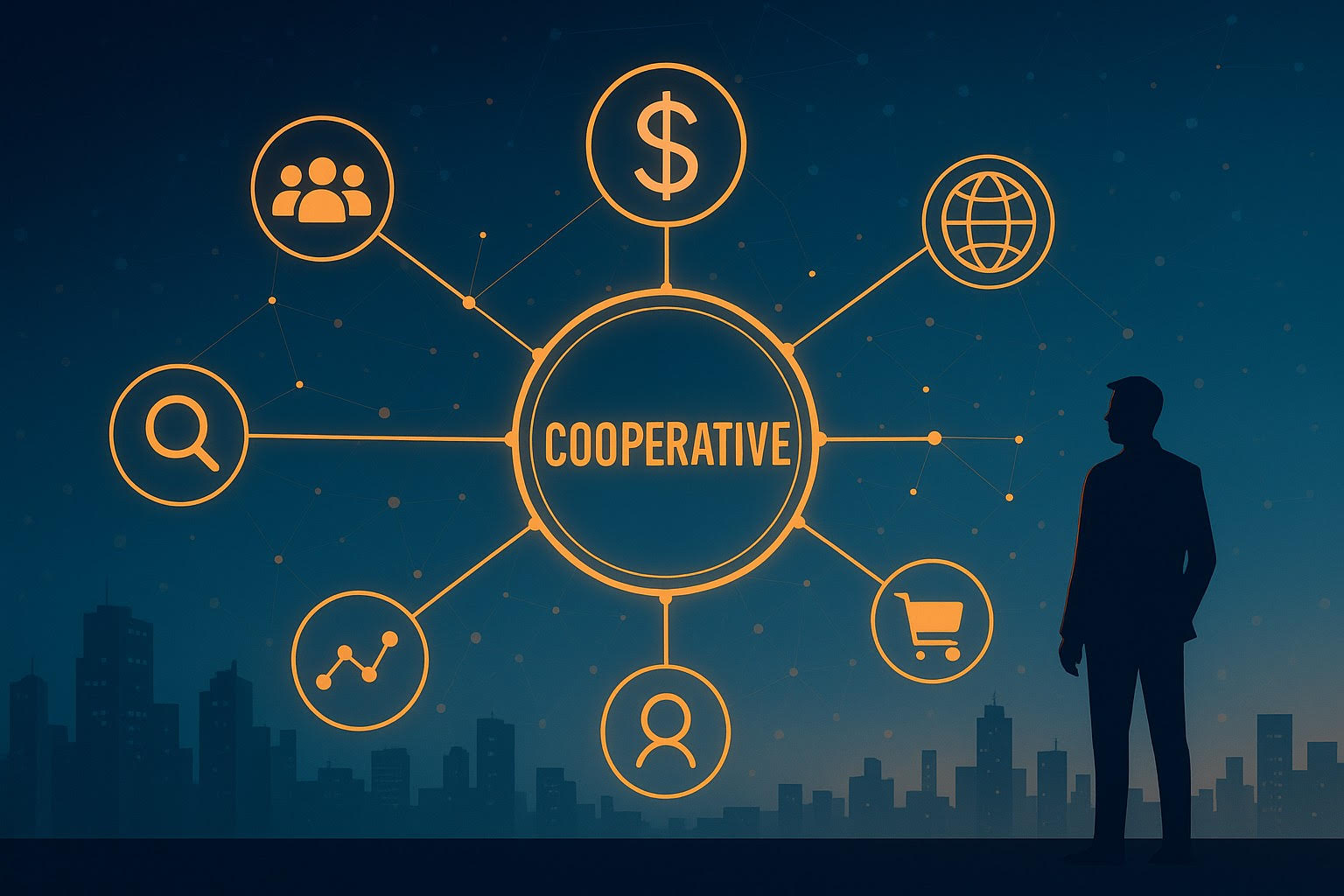
Wimehr, architect of a digital cooperative ecosystem
Developing cooperatives in Iran has long been presented as a means of social equity and wider participation in the economy. Policies relating to Article 44 repeatedly call for cooperatives to reach 25% of GDP. The article describes fewer than 20,000 active cooperatives among around 100,000 registered organizations, with limited economic impact.
A central challenge is the absence of a transformative technological model that can activate this potential through a practical, scalable and locally appropriate system.
Why technology matters to the cooperative economy
In an era of interactive marketing, online global trade and intelligent platforms, remaining outside digital ecosystems leaves cooperatives inefficient and at risk of exclusion. Experience in comparable countries points to collaboration among governments, platforms and technology businesses as a route toward revitalizing cooperatives.
Wimehr’s scientific, practical and regional foundation
The Wimehr international trade platform is a technology unit based at the Iranian Research Organization for Science and Technology. Combining international experience in Middle Eastern exhibitions and markets, fifth-generation marketing technologies and an export-oriented platform model, it offers a path from traditional stagnation toward modern global markets.
The proposed ecosystem combines digital education and targeted development, exhibition and B2B export connections, dedicated digital storefronts, regional market intelligence and collaborative revenue models.
Iran’s regional opportunity
Iran’s geopolitical position, internet penetration, skilled workforce and diverse domestic market create an opportunity for a regional digital cooperative network. Intelligent policy and implementation by capable platforms could help Iran become a regional reference for cooperative digitalization.
Conclusion
Reaching a 25% share of GDP requires operational digital platforms. A scalable, tested model such as Wimehr can support practical cooperative development. Official development programs can move into a digital, market-oriented phase.
Abstract
Many Iranian cooperatives lack the infrastructure and operating model needed to compete regionally and globally. This article presents platform development as a realistic means of activating their potential. Wimehr illustrates a locally developed model combining education, digital marketing, exhibitions and B2B exports. It proposes making digital cooperative ecosystem architecture an operational part of national cooperative development programs.
Mahyar Babazadeh, summer 1404 in the Solar Hijri calendar.
Comments