React is an open-source JavaScript library developed by Facebook and widely used to build web and mobile interfaces. This article examines its strengths, its suitability for frontend development and the limitations to consider.
From Iran to the Stars is a six-stage pathway under Sirir, inspired by the Sustainable Development Goals. It combines assessment, learning, prototypes, operational MVPs, performance measurement and access to regional markets through Sirir and Wimehr.
The UN Sustainable Development Goals connect education, equality, environmental protection and global partnerships. This article presents Wimehr’s approach to combining technology, international trade and social responsibility in its business model.
Why are international talent networks focusing on Gen Z? This article traces the idea of knowledge networks and describes Sirir’s approach to futures education, digital identity and real projects for young people in Iran.
Today’s young people seek meaning, direction and ways to connect with the future. Sirir’s approach combines futures studies, digital skills, personal identity and real projects to help Gen Z design an informed path forward.
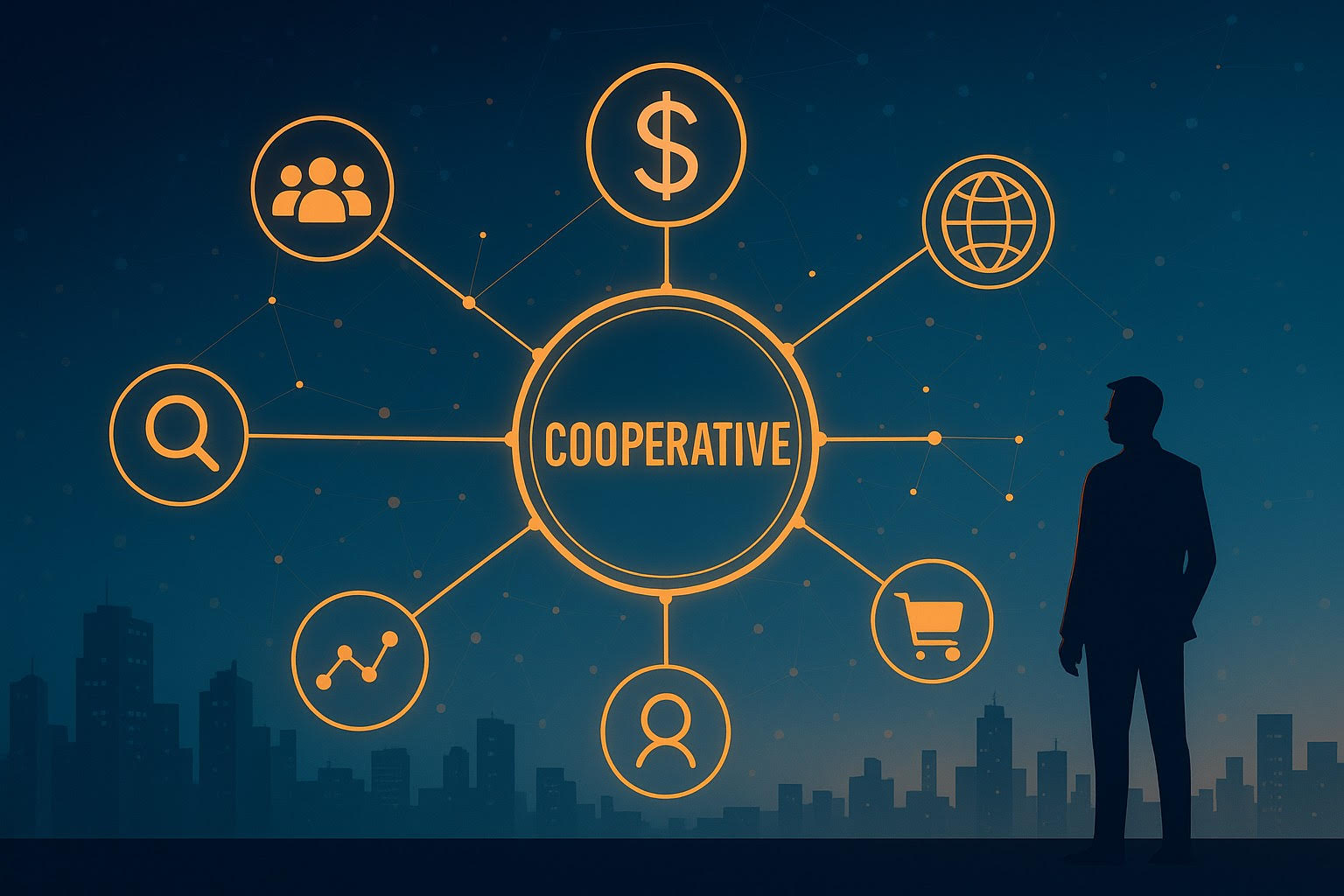
Cooperative development has long been linked to social equity and a people-centered economy in Iran. This article discusses the gap between policy targets and current activity, and a technology-led operating model for activating cooperative potential.
As the digital economy reshapes production, distribution and ownership, cooperatives in Iran continue to face limitations in digital infrastructure, online sales and access to export markets. This article explores the need for an operational digital model.
The cooperative economy has a significant place in policies relating to Article 44 of Iran’s Constitution. Despite a target of 25% of GDP, the article describes a gap between policy ambitions, active cooperatives and effective digital infrastructure.